






Colorado Springs Utilities Rates Are Increasing in 2026—What You Need to Know

Solar Power Pros Colorado solar panel installation

Colorado Springs Utilities (CSU) has announced significant 2026 rate increases, impacting residential, commercial, and industrial customers across electric, natural gas, water, and wastewater services. For many, this will mean higher monthly bills and a growing need to think strategically about long-term energy costs.


At Solar Power Pros, we believe informed homeowners and business owners make the best energy decisions, especially as Colorado utility pricing continues to evolve. Here’s a breakdown of what’s changing, why it matters, and how solar can help protect you from rising electricity costs.

2026 CSU Rate Increases: The Numbers

According to Colorado Springs Utilities’ Five-Year Rate Case, the estimated monthly bill impacts in 2026 are:

  • Residential: +$14.87 per month (typical four-service bill)
  • Commercial: +$70.85 per month
  • Industrial: +$2,021 per month

Breakdown by Service

  • Electric base rates: +6.5%
  • Natural gas base rates: +4.0%
  • Water base rates: +6.5%
  • Wastewater base rates: +9.0%

These increases reflect CSU’s long-term infrastructure investments and rising operational costs, consistent with rising utility cost trends across Colorado.


For a typical residential customer, this estimate assumes:

  • 700 kWh of electricity per month
  • 60 ccf of natural gas
  • 1,100 cubic feet of water
  • 700 cubic feet of wastewater

While $15 per month may not sound drastic on its own, these increases compound over time and electricity rates historically continue to rise year over year.

A Major Shift in How You’re Billed: CSU Energy Wise Rates

In addition to higher base rates, CSU is rolling out a new time-of-use (TOU) rate structure called Energy Wise Rates, which will become the standard option starting October 1, 2025, with most customers transitioned by early 2026.

What Are Energy Wise Rates?

Energy Wise Rates are CSU’s new time-of-use pricing structure, where electricity costs more during high-demand evening hours and less during lower-demand times of day. Your pricing changes depending on when you use power, not just how much you use:

On-Peak (Higher Cost)

  • Weekdays: 5:00 p.m. – 9:00 p.m.
  • Excludes weekends and major holidays

Off-Peak (Lower Cost)

  • Weekdays before 5:00 p.m. and after 9:00 p.m.
  • All weekends and holidays

Summer rates (June–September) will be higher than winter rates (October–May) due to increased demand.


Most residential and small business customers with smart meters will be placed on this rate unless they opt into another option. Net-metered solar customers are excluded from this default structure.

Additional Rate Options Available

CSU will offer three primary rate options, so you can choose the best structure suited for your energy needs:

Energy Wise (Standard)

  • Includes on-peak and off-peak pricing
  • Default for most customers with smart meters

Energy Wise Plus

  • Lower rates during off-peak “saver” hours: 9 a.m. – 1 p.m. daily
  • Higher prices during critical peak events
  • Best suited for customers who can shift usage significantly

Fixed Seasonal Rate

  • No on-peak or off-peak pricing
  • Higher summer rates, lower winter rates
  • Available to residential customers and businesses under 10 kW peak demand
  • Default for customers without smart meters

Why Solar Matters More Than Ever in Colorado Springs

With CSU electric rates rising 6.5% in 2026 and billing increasingly tied to when you use power, solar offers a practical way to reduce exposure to future utility volatility.

Solar Helps You:

  • Offset high on-peak electricity costs
  • Reduce dependence on rate structures that penalize evening and peak-hour usage
  • Lock in more predictable energy costs for decades
  • Gain long-term protection beyond 2026 as CSU pricing grows more complex
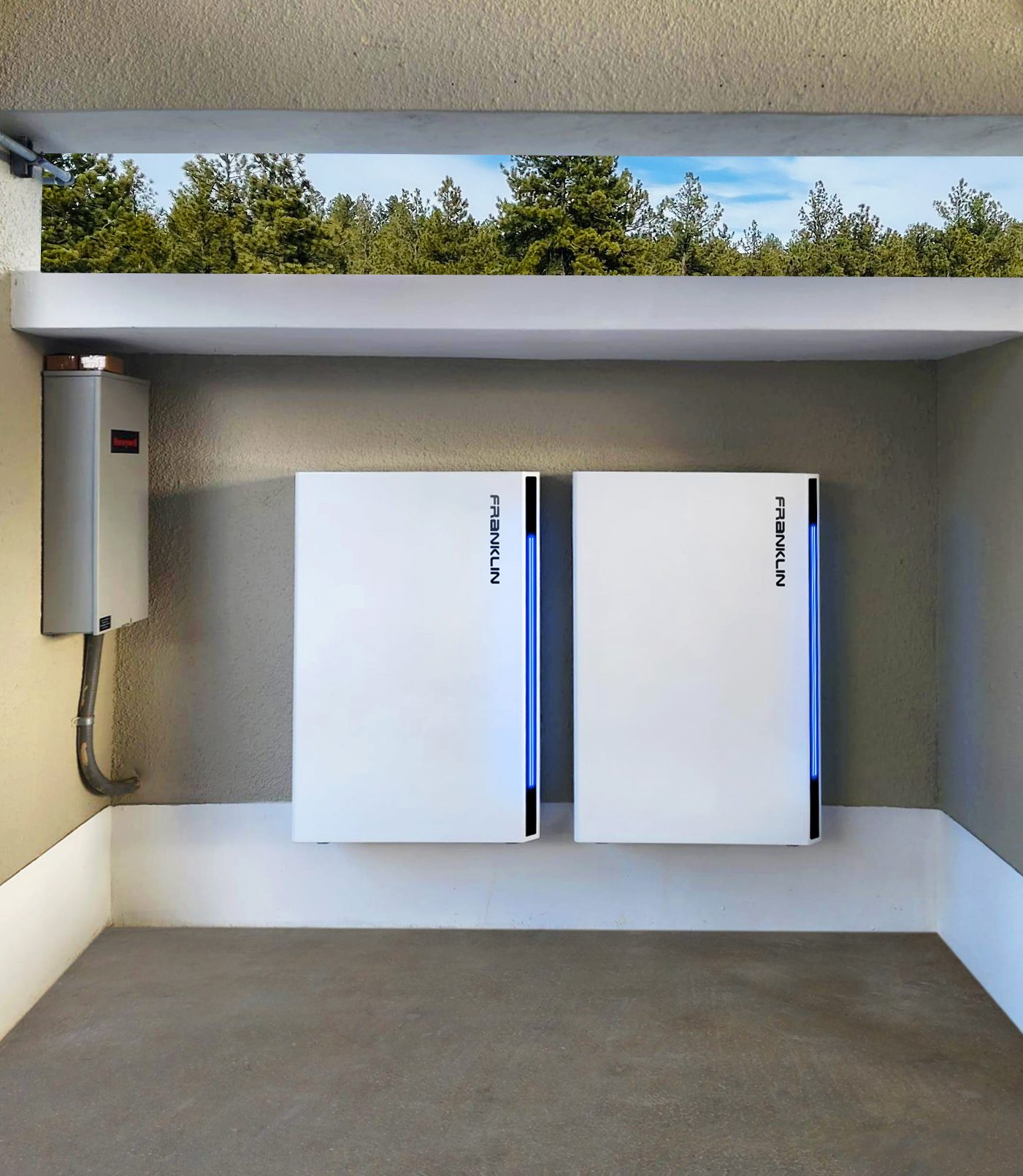
FranklinWH Battery Installation Pic in Colorado Landscape

Add Energy Storage for Greater Protection


Battery storage adds another layer of protection under time-of-use pricing. By storing excess solar energy produced during lower-cost daytime hours, batteries allow homeowners and businesses to power their homes or facilities during high-cost evening peak periods—reducing reliance on expensive on-peak electricity. As CSU’s Energy Wise Rates become the standard, solar paired with battery storage can significantly improve bill stability and long-term savings.


See our graph to learn how solar battery storage protects against TOU rates. 

For homeowners or businesses planning to stick around their location long-term, a solar solution is no longer just about savings, it’s about control and stability. Many are finding that solar is very much worth it in Colorado Springs.

Take Control Before Rates Climb Further

Colorado Springs Utilities’ 2026 rate changes make one thing clear: electricity will continue to get more expensive, and how you use it will matter more than ever.


Our Solar Power Pros team designs custom solar systems based on real utility data, local production, and that account for:

If you’re in Colorado Springs and want to understand how solar fits into this changing utility landscape, we’re here to help you evaluate your options clearly and honestly. Schedule a free solar design consultation today and see how you can protect your home from rising energy costs.

To start your free quote, call our Pros at 719-849-6603 or schedule your consultation today!

Contact Us


FAQs: Colorado Springs Utility Rates & Solar in 2026

How much are CSU electric rates increasing in 2026?

Electric base rates are set to increase by 6.5%, contributing to an estimated $14.87/month increase on a typical residential four-service bill.

Energy Wise Rates are CSU’s new time-of-use structure that charges higher rates during weekday evening peak hours and lower rates during off-peak times.

Yes. Solar can significantly reduce your reliance on high on-peak electricity, especially when paired with smart usage habits or battery storage.

Categories
SHARE THIS POST